
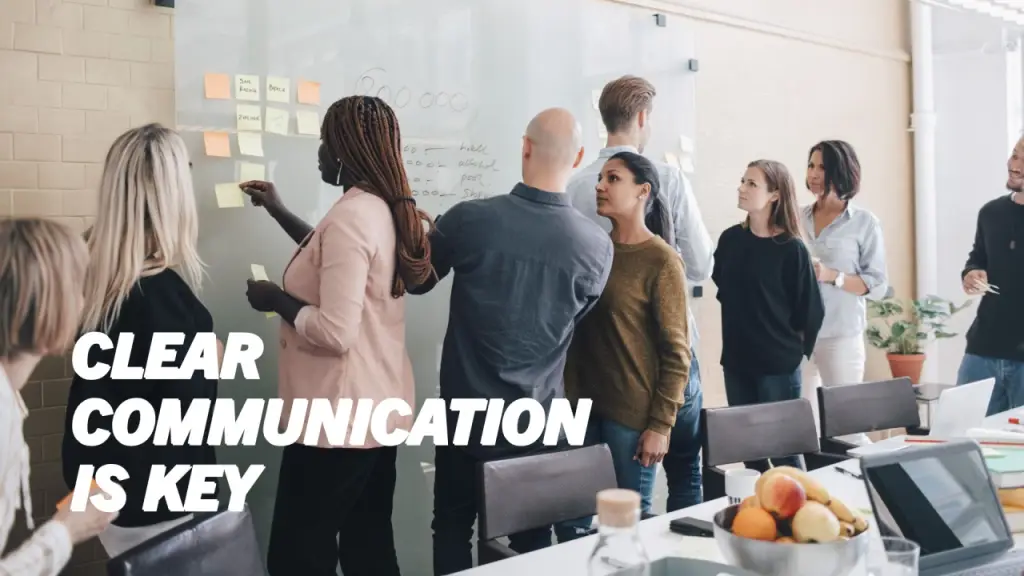
In the fast-paced world of event planning, clear and effective communication is the foundation of success. From the moment an event professional is brought on board, it is crucial for companies to articulate their needs, expectations, and goals. Events can require a range of expertise—from an in-house event manager handling logistics to an event planner orchestrating the full experience. Understanding the various roles in the events industry and their communication responsibilities ensures a seamless process that keeps the attendee experience front and center.
Key Event Roles and Their Communication Needs
In-House Event Manager
- Works within the company to oversee event logistics, coordinate with stakeholders, and ensure alignment with company objectives.
- Communication Focus: Tactical and operational details, internal team coordination, and strategic alignment.
Venue Manager
- Manages event space operations, ensuring facilities meet the needs of planners and clients.
- Communication Focus: Venue logistics, capacity, catering, and compliance with safety regulations.
Event Planner
- Handles overall event coordination, including venue sourcing, vendor management, budgeting, and execution.
- Communication Focus: Client expectations, supplier coordination, and seamless logistics management.
Event Marketer
- Develops strategies to attract attendees, enhance engagement, and maximize event visibility.
- Communication Focus: Branding, messaging, promotional campaigns, and attendee engagement strategies.
Expo Hall Manager
- Oversees exhibitor logistics, ensuring smooth booth setup, exhibitor relations, and attendee flow within trade show areas.
- Communication Focus: Floor planning, exhibitor coordination, and attendee experience enhancement.
Content Manager
- Curates session topics, sources speakers, and ensures event content aligns with key objectives.
- Communication Focus: Speaker coordination, agenda development, and delivering valuable educational content.
Keeping the Attendee Experience at the Center
One of the biggest challenges in event planning is ensuring that internal stakeholders prioritize the attendee experience over their own preferences. Events should be designed not around what the internal team wants, but around how they can best serve attendees, drive engagement, and fulfill the event’s objectives. Strong communication plays a vital role in keeping this priority in focus:
- Aligning with Event Goals: Every decision should connect back to the event’s core purpose—whether it’s education, networking, or brand awareness.
- Stakeholder Briefings: Regular updates with leadership, sponsors, and speakers should emphasize attendee outcomes over internal objectives.
- Attendee-Centered Messaging: Marketing and on-site communications should highlight what attendees will gain rather than focusing on company achievements.
- Post-Event Feedback Loops: Collecting and analyzing attendee feedback ensures continuous improvement and audience-driven event evolution.
Join the Conversation
I will be joining Bill Ganon from the Ganon Group next week on Tuesday, February 18th, at 11 AM CST to discuss this topic among others. Sign up at this link.
Final Thoughts
Great communication in the events industry begins with a deep understanding of the different event roles and their responsibilities. By ensuring that communication is strategic, transparent, and attendee-focused, event teams can create seamless experiences that drive meaningful connections and accomplish business goals. Ultimately, events are about the attendees—how they learn, network, and grow—not about the people running them. Keeping this perspective at the forefront is the key to delivering truly impactful and memorable events.